


 High Rates Weigh on U.S. Home Improvement Demand
  BOJ Signals Faster Rate Hikes as Inflation Risks Grow
  RBA Hikes Interest Rate to 4.60% as Inflation Risks Rise
  Middle East Oil Exports Recover as Tanker Costs Surge
  Bank of America Sees EUR/USD at 1.15 by Year-End
  China Shuts 670 Banks as Bitcoin Eyes Financial Risks
  Fed’s Williams Signals One More Rate Hike Before Year-End
  Fed’s Hammack Says More Data Needed Before Next Rate Move
  AI Agents Could Disrupt Financial Services, Bernstein Says
  G20 Divided Over US Push to Curb Industrial Overcapacity


 Add as a preferred source on Google
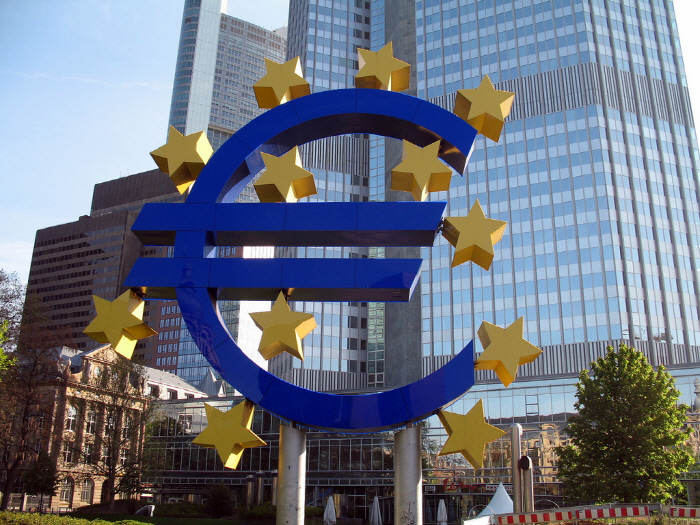
The European Central Bank (ECB) is expected to continue extension of quantitative easing purchases by six months without pre-announcing tapering. The QE extension should follow although inflation is set to rise in coming months but reflect the lack of upward trend on core inflation. There is a risk the ECB will extend QE again later due to low core inflation.
President Mario Draghi will, in our view, balance his tone, reflecting the economic resilience to political uncertainty on the one hand but on the other hand, sound dovish, as the ECB is concerned about the subdued underlying price pressure and weakness in the banking sector.
Further, the QE extension should follow although inflation is set to rise in coming months but reflect the lack of upward trend on core inflation. In our view, there is a risk the ECB will extend QE again later due to low core inflation.
Moreover, Draghi has remained on the sidelines in the recent tapering debate, which started after ECB officials allegedly said that the ECB is considering QE tapering options once the programme ends. In our view, it is too early to discuss tapering but following last week's unconfirmed reports, it will remain a topic going forward.
"In our view, the ECB could continue to deviate from the capital key without introducing new buying distribution. Currently, we do not consider it very likely that the ECB will allow large-scale buying below the deposit rate," Danske Bank commented in its latest research report.







